Aluminum Casting Company innovations that drive industrial design
Wiki Article
The Duty of Light Weight Aluminum Foundries in Progressing Lightweight Manufacturing Solutions
Light weight aluminum foundries substantially contribute to the development of lightweight production services. Their innovative spreading innovations yield high-strength, lightweight components necessary for sectors like automotive and aerospace. This improvement not only improves product efficiency yet additionally promotes sustainability via the use of recycled products. As these foundries adjust to arising technologies and techniques, they lead the way for future growths in producing performance and ecological duty. What lies ahead in this transformative trip?The Benefits of Lightweight Products in Manufacturing
As industries progressively seek efficiency and sustainability, the fostering of lightweight materials in production has actually emerged as a crucial method - Aluminum Foundry. These materials, particularly light weight aluminum and compounds, offer various advantages that improve manufacturing procedures and item performance. Mainly, their lowered weight contributes to lower energy consumption throughout transport and procedure, leading to substantial price savingsLightweight products facilitate the layout of more facility geometries, enabling for greater advancement in product advancement. This flexibility often results in enhanced performance and performance, dealing with the progressing needs of contemporary customers.
In addition, the usage of lightweight products can enhance the long life of items as a result of their resistance to rust and exhaustion. This sturdiness not only reduces upkeep expenses but likewise sustains sustainability efforts, as longer-lasting items add to less waste. To sum up, the advantages of lightweight products are essential in driving efficiency, technology, and environmental obligation in production.
Technologies in Aluminum Spreading Technologies
Current improvements in aluminum casting innovations are reinventing the production landscape, particularly in the manufacturing of lightweight parts. Technologies such as high-pressure die casting and vacuum pass away spreading have considerably enhanced the accuracy and surface area finish of aluminum parts - Aluminum Foundry. These methods allow for the creation of intricate geometries while minimizing material waste and boosting mechanical residential properties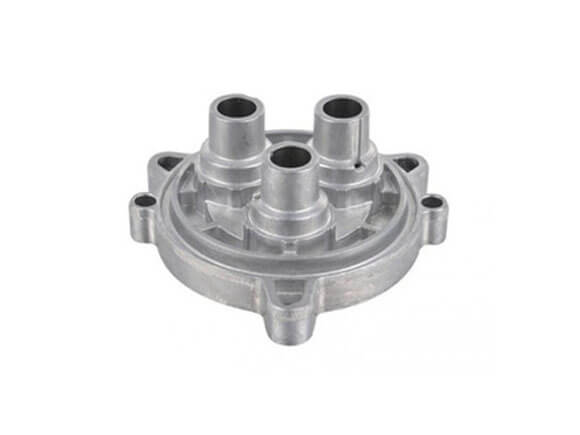
Additionally, the application of real-time monitoring systems ensures top quality control throughout the spreading process, bring about more consistent product outcomes. Jointly, these technologies not only boost the efficiency of aluminum components but also sustain the industry's change in the direction of even more sustainable manufacturing techniques.
Applications of Light Weight Aluminum Components in Various Industries
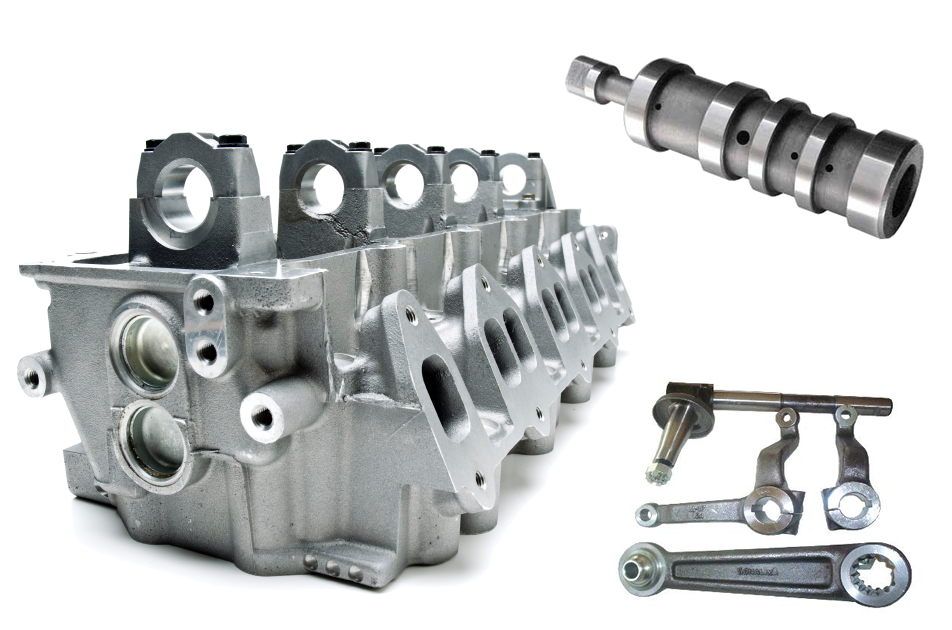
While aluminum components have long been utilized in numerous markets, their flexibility and lightweight residential properties remain to drive cutting-edge applications throughout industries such as auto, aerospace, and construction. In the automobile market, light weight aluminum is increasingly utilized for engine blocks, wheels, and body panels, boosting gas effectiveness and efficiency. Aerospace manufacturers take advantage of light weight aluminum for airplane frameworks and parts, maximizing its strength-to-weight proportion to enhance gas economy and payload capacity.In the building and construction market, aluminum is favored for home window frames, roof covering, and structural aspects, supplying toughness and resistance to corrosion while reducing general structure weight. Additionally, the electrical and electronic devices industries benefit from light weight aluminum's conductivity and light-weight nature, utilizing it in wiring, enclosures, and warm sinks. These diverse applications highlight the vital role of aluminum parts, which not only meet sector needs but also add to innovations in product layout and functionality across several areas.
Sustainability and Power Effectiveness in Light Weight Aluminum Foundries
The light weight aluminum foundry industry plays a critical function in advertising sustainability and energy efficiency, especially as demand for lightweight parts continues to grow throughout different sectors. Foundries are increasingly embracing eco pleasant methods, such as using recycled light weight aluminum, which significantly minimizes energy usage and greenhouse gas exhausts contrasted to primary light weight aluminum production.Advancements in casting modern technologies boost power efficiency by enhancing the melting processes and minimizing waste. Strategies like die casting and investment casting enable specific material use, minimizing excess and scrap.
Additionally, many shops are spending in More Info eco-friendly energy resources to power operations, further reducing their carbon footprint. Applying energy monitoring systems makes it possible for shops to improve and keep an eye on energy usage, guaranteeing they run at peak performance.
Future Patterns in Lightweight Manufacturing Solutions
Just how will arising technologies shape the future of lightweight production solutions? Technologies such as advanced materials, automation, and additive manufacturing are readied to redefine manufacturing processes. The assimilation of wise production innovations, including the Web of Things (IoT) and expert system (AI), will make it possible for real-time monitoring and optimization, boosting effectiveness and reducing waste.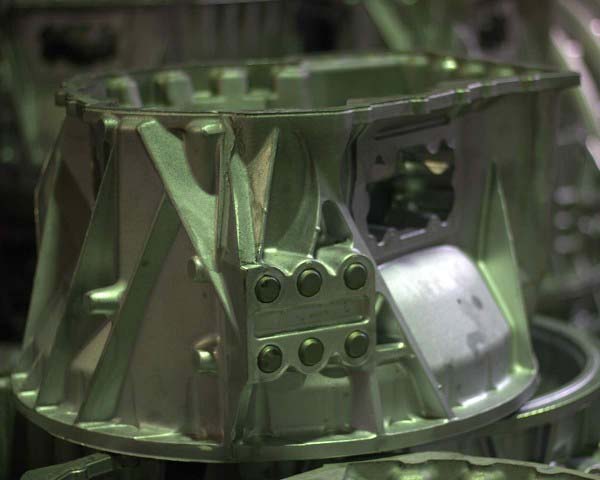
As sustainability continues to be a critical problem, lightweight services will significantly concentrate on reusing and recycling products, straightening with round economic climate principles. This advancement in lightweight production will certainly not just improve product performance yet likewise add to environmental objectives, making sure that the sector continues to be competitive in a quickly changing market landscape.
Often Asked Concerns
Just How Do Aluminum Foundries Guarantee Quality Assurance in Production?
Light weight aluminum factories assure quality assurance in production via rigorous screening, standard procedures, and constant surveillance - Precision aluminum casting. They carry out knowledgeable personnel and advanced innovations to maintain consistency, lower issues, and fulfill industry standards throughout the manufacturing processWhat Are the Key Tests Faced by Light Weight Aluminum Foundries?
Light weight aluminum foundries encounter obstacles such as rising and fall basic material prices, preserving production effectiveness, ensuring consistent high quality, adapting to technical advancements, and meeting ecological guidelines, all of which influence their general functional performance and competition in the marketplace.Exactly How Does Light Weight Aluminum Recycling Impact Foundry Workflow?
Light weight aluminum reusing substantially enhances shop operations by decreasing raw product costs, reducing power consumption, and decreasing ecological effect. This lasting practice enables factories to boost performance while fulfilling boosting demand for lightweight, high-performance light weight aluminum items.What Abilities Are Needed for Workers in Aluminum Foundries?
Workers in light weight aluminum shops need abilities in metallurgy, machining, quality assurance, and safety methods. Proficiency in operating equipment, understanding alloy residential or commercial properties, and problem-solving are likewise necessary for reliable production and Web Site preserving high security standards.Just How Do Light Weight Aluminum Foundries Take Care Of Waste Monitoring?
Light weight aluminum factories take care of waste with recycling scrap steel, making use of effective waste segregation methods, and adhering to environmental regulations. They implement sustainable practices to decrease garbage dump contributions, ensuring that harmful products are disposed of sensibly.Aluminum factories considerably add to the evolution of light-weight manufacturing solutions. Current improvements in light weight aluminum casting innovations are changing the production landscape, particularly in the production of lightweight components. While light weight aluminum elements have long been used in various industries, their adaptability and light-weight residential or commercial properties continue to drive cutting-edge applications throughout industries such as vehicle, aerospace, and construction. Furthermore, the electric and electronics industries profit from light weight aluminum's conductivity and light-weight nature, utilizing it in wiring, enclosures, and heat sinks. The aluminum factory industry plays a critical duty in promoting sustainability and energy performance, especially as need for light-weight elements proceeds to expand throughout numerous industries.
Report this wiki page